A Homeowner’s Guide to the Solar Installation Process in New Hampshire
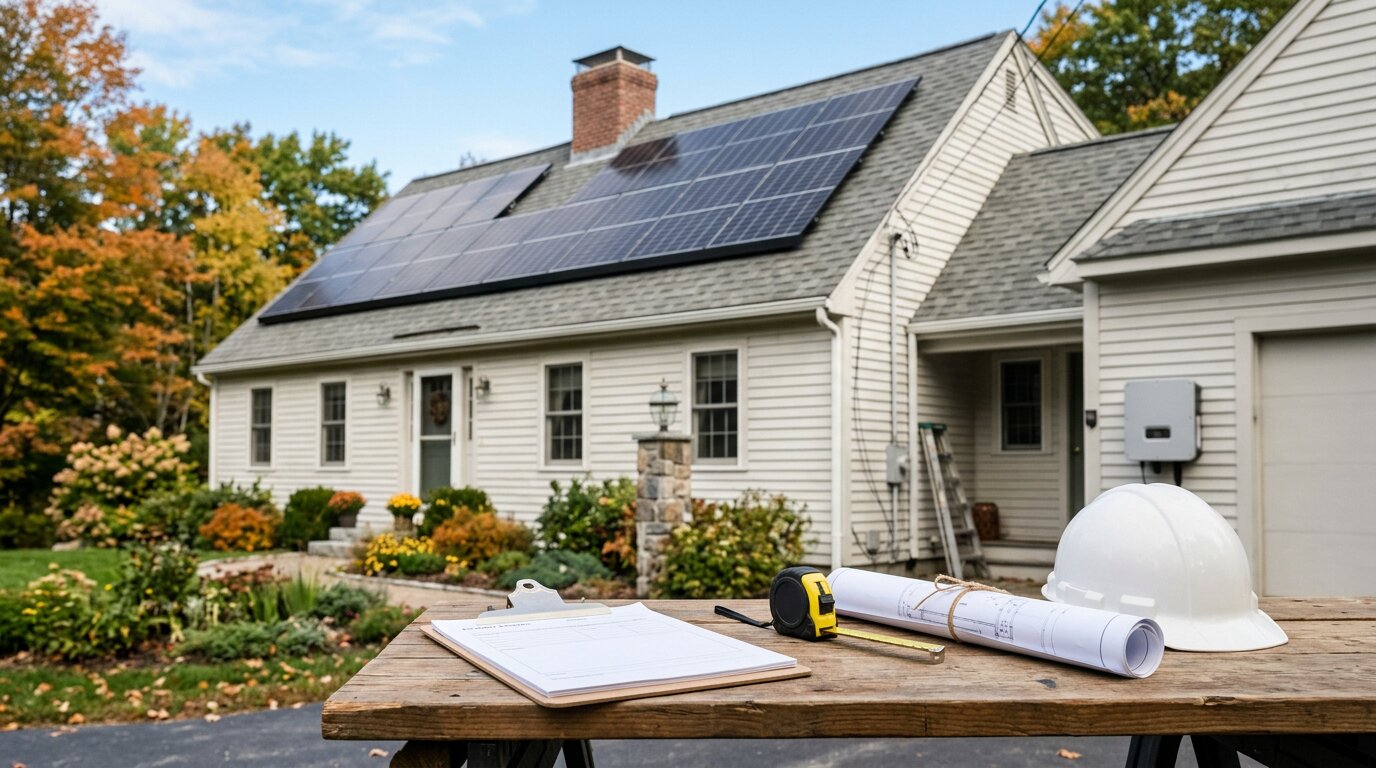
If you’re considering solar panels for your home in New Hampshire, you’ve probably wondered how the process actually works. With renewable energy incentives and changing utility rates, making the right choice has never been more important. From understanding your property’s solar potential to choosing the right installer and navigating local permits, there’s plenty to know before you commit—and one overlooked step could end up costing you more than you expect.
Understanding Solar Power and Its Benefits
A crucial aspect of evaluating solar energy for residential use involves comprehending the benefits that solar power can provide. When considering the installation of solar panels on your roof, it is important to understand the mechanics of solar systems, their capacity to lower electricity bills, and their potential contributions to environmental conservation in New Hampshire.
The Department of Energy, along with New Hampshire Utilities, provides comprehensive information regarding policies, regulations, and state rebate programs relevant to solar energy adoption. Homeowners have several opportunities to modify their energy consumption patterns to not only optimize usage but also take advantage of these incentives, including resources available at https://solarpanelsnewhampshire.com/.
Additionally, during power outages, solar panels can be beneficial by maintaining energy supply, thus mitigating the impact of disruptions.
Over the last decade, the installation of solar systems has been associated with an increase in property values. Furthermore, considerations related to safety and emergency preparedness have become increasingly relevant as part of the overall assessment of solar energy solutions.
It is advisable for homeowners to conduct thorough research and analysis to understand the full implications of solar energy for their specific situations.
Key Considerations Before Installing Solar Panels
When contemplating the installation of solar panels for your home, it is essential to evaluate several key factors prior to commencing the process.
Assessing the condition of your roof, understanding your energy usage patterns, and determining the appropriate system size are crucial steps in making an informed decision.
In New Hampshire, recent changes in solar policy have emerged over the past decade, influenced by utility companies, state departments, and rebate program incentives.
Familiarizing yourself with solar panel financing options is advisable, as this information will impact your budget and overall investment.
Additionally, conducting an energy audit can provide insights into your current energy consumption and potential savings.
Careful examination of contracts is imperative to ensure transparency and protect your interests.
Furthermore, considerations surrounding safety, plans for power outages, and compliance with emergency regulations should be integral components of your strategy.
For additional information and to address specific inquiries regarding solar systems in New Hampshire, it may be beneficial to search for frequently asked questions or reach out to professionals in the field.
Navigating Permitting and Local Regulations
Prior to initiating your solar project, it is crucial to ensure compliance with all pertinent legal obligations. In New Hampshire, the process of navigating permitting and local regulations requires meticulous attention, as individual municipalities establish their own specific rules and approval protocols.
To proceed, you will need to secure both building and electrical permits for the installation of solar panels, in addition to obtaining approvals for utility interconnection.
It is also prudent to recognize that structural engineering reviews may be mandated for older roofing systems to confirm their suitability for supporting additional weight. Adhering to safety standards, such as those outlined in the National Electrical Code, is vital in order to maintain compliance with local policies.
Planning and preparation are essential in this context, as they can significantly mitigate the risk of delays.
Ensuring that your home is equipped and ready to generate electricity independently during power outages in New Hampshire requires thorough adherence to these regulatory requirements.
Evaluating Financial Options and Incentives
When considering the financial aspects of installing solar panels in New Hampshire, it is essential to evaluate the various financing options available. These include leases, loans, and Power Purchase Agreements (PPAs). Each option has distinct advantages and may cater to different financial situations and goals.
Additionally, it is advisable to explore the Residential Renewable Electrical Generation Rebate Program offered by the state. This program can provide financial assistance that may significantly reduce the upfront costs associated with solar panel installation.
The New Hampshire Department of Energy and local utility companies provide comprehensive resources, including frequently asked questions, to help consumers navigate policies, regulations, and the Rebate Program.
Moreover, it is important to assess how your roof and the chosen solar panel system will affect your energy consumption and electric bills. State and local incentives could further influence your overall financial strategy regarding solar energy adoption.
By carefully analyzing these factors, you can make an informed decision that aligns with your budgetary constraints and energy objectives.
Insurance and Risk Management for Solar Installations
Effective management of insurance and risk is crucial when incorporating solar panels into your home in New Hampshire. It is important to ensure that your insurance policy accurately reflects any modifications made to your property due to the installation of solar systems.
Generally, roof-mounted solar installations are covered under standard homeowners' insurance policies, while ground-mounted systems may necessitate additional coverage for the supporting structures.
Furthermore, regulations set forth by the Department of Utilities and the State require disclosure of system capabilities, particularly if your installation generates energy or includes battery backup provisions. This disclosure is essential for addressing safety and liability concerns associated with solar technology.
Additionally, it is imperative to assess the structural integrity of your home, especially if it is older, as this can significantly impact the installation process and the overall stability of the system.
Consulting with your insurance provider is recommended to ensure proper coverage. Gathering reliable information and reviewing frequently asked questions related to solar installations for New Hampshire homeowners can also provide valuable insights into potential risks and insurance considerations.
Conclusion
By installing solar panels, you’re making a smart move for your home, wallet, and the environment. With careful planning—from assessing your roof’s potential to understanding local regulations and incentives—you’ll set yourself up for success. Remember to choose a qualified installer and stay on top of regular maintenance. Solar energy offers lasting benefits, and in New Hampshire, you’ve got support to make the transition easier. Take the next step; your home’s future is brighter with solar. |


