Why More Boston-Area Homeowners Are Pairing Roofing and Solar Projects
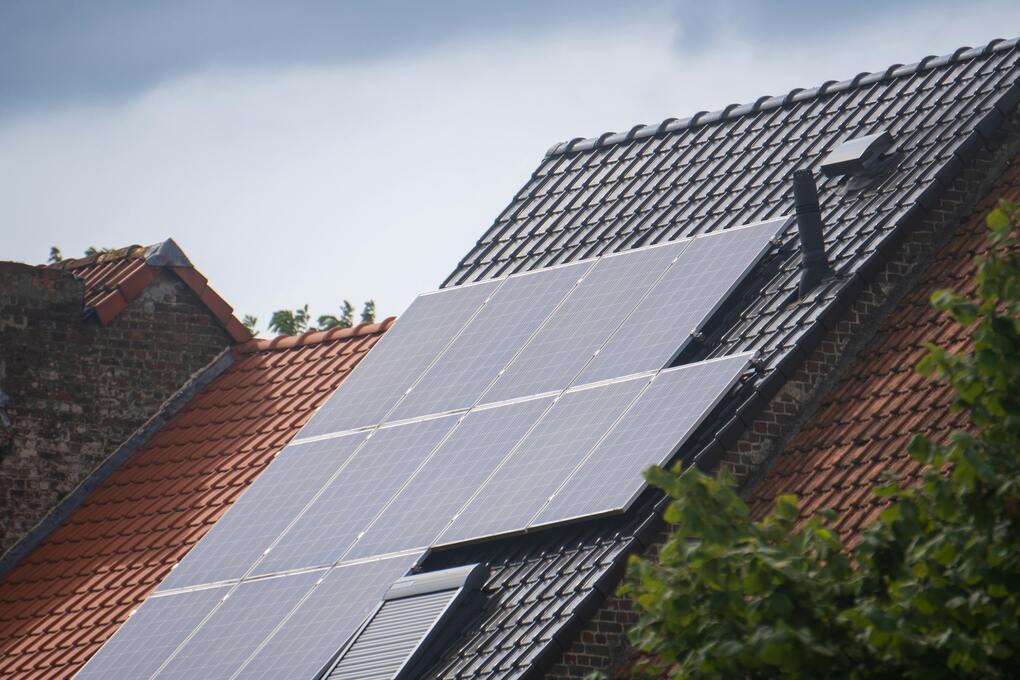
If you’re a homeowner around Boston, you’ve probably noticed more neighbors coordinating roof replacements with new solar panel installations. It’s not just a trend—pairing these upgrades can cut both immediate and long-term costs while boosting your home’s value and sustainability. As electricity rates continue to climb in the area, you’ll want to know how bundling roofing and solar might work for your situation—and what you need to consider before making the leap.
Factors Driving Higher Electricity Costs in the Boston Area
Electricity rates in Massachusetts are on the rise, particularly in the Boston area, where homeowners are expected to face rates of approximately 28 cents per kWh by 2026. This positioning places Boston among the states with the highest electricity costs.
As these expenses increase, homeowners are exploring strategies to mitigate their financial burden, including the option of replacing aging roofs while integrating solar panel installations.
When considering roof replacement, it is important to evaluate the condition of the existing roofing, as a well-maintained surface can enhance solar panel efficiency by optimizing sunlight exposure. This dual approach may lead to long-term reductions in electricity bills, although initial investment and installation costs are factors that must be carefully analyzed.
Homeowners should also evaluate available incentives and financing options that can offset installation expenses. Obtaining a detailed quote from a reputable provider is essential to understand the total financial landscape, including both equipment and labor costs.
In summary, as electricity rates continue to rise in the region, Boston-area homeowners face pressing decisions regarding energy consumption. A thorough assessment of potential savings and available resources is critical to making informed decisions in light of these rising costs.
Benefits of Bundling Roof Replacement with Solar Installation
Rising electricity rates have created financial challenges for homeowners, particularly in the Boston area. Bundling roof replacement with solar installation presents a pragmatic approach for addressing both an aging roof and the implementation of solar panels in a single service visit.
This dual service not only maximizes the efficiency of panel placement by optimizing sun exposure but also results in cost savings related to installation and labor by reducing the number of visits required.
Homeowners in New England, for example, might experience monthly savings when comparing their electricity costs per kilowatt-hour. By combining roofing and solar installation, homeowners can enhance the overall value of their property while ensuring that both systems operate effectively together.
The process includes a range of services, from providing a free estimate to navigating available incentives, which can further facilitate the decision to proceed with both the roof replacement and solar installation.
Ultimately, this combined approach offers a well-supported solution to improving energy efficiency and addressing roofing needs simultaneously.
Financial Advantages and Savings Potential
A bundled roof and solar installation presents notable financial benefits for homeowners in the Boston area grappling with increasing electricity costs. By synchronizing roof replacement with solar panel installation, homeowners can not only address the deterioration of aging roofing but also realize long-term energy savings.
Current projections indicate that electricity rates in Massachusetts could reach 28 cents per kWh, highlighting the potential for integrated solar solutions to mitigate monthly power expenses.
Additionally, utilizing available incentives can significantly reduce installation costs—by over 40% in some cases—making this approach financially viable for many homeowners. This strategy also streamlines the installation process and can enhance the value of the property.
In the New England region, combining roofing and solar services is considered an effective method to optimize financial outcomes associated with energy consumption and property investment.
Key Considerations for Installing Solar on Cedar Shingle Roofs
Installing solar panels on cedar shingle roofs involves several technical and financial considerations that differ from those associated with standard roofing materials. Costs for solar panel installation can be approximately 20-50% higher due to the complexity of the roof surface and potential issues with aging shingles.
Homeowners in Boston, recognized for their significant presence in New England, should evaluate the condition of their roofs and the available sunlight exposure prior to installation, especially when considering Boston solar panels.
It is advisable for homeowners with roofs over 15 years old to consider replacement before installing solar panels to ensure adequate support and longevity. Installation labor may require specialized techniques and waterproofing solutions to guarantee both the operational efficiency of the solar panels and the protection of the roof structure.
Furthermore, obtaining a detailed quote is essential, and homeowners should also explore available incentives, policy terms, and privacy policies related to solar installations. A thorough understanding of these factors will contribute to informed decision-making regarding the integration of solar energy solutions in homes with cedar shingle roofs.
Pros and Cons of Solar Panels on Cedar Roofs
Cedar roofs are known for their aesthetic appeal and natural insulation properties; however, they also introduce specific challenges for solar panel installations. One primary consideration is the age of the roof. If the cedar roof is more than 15 years old or showing signs of deterioration, it might be necessary to replace it before adding solar panels. This requirement can significantly increase the overall cost of installation.
Additionally, the labor costs associated with installing solar panels on cedar roofs typically range from 20% to 50% higher than those for more conventional roofing materials. This elevation in cost can affect both monthly financial savings and the overall return on investment for solar energy systems.
In regions such as Boston and much of New England, where state incentives for solar energy are competitive, the potential for electricity and energy savings remains an important factor.
However, the viability of solar panel placement should be carefully assessed based on the condition of the roof and the suitability of the installation approach. It is crucial to weigh these considerations against local energy policies and incentives to determine the overall feasibility of solar energy implementation on cedar roofs.
Alternative Solar Solutions for Challenging Roof Types
When homeowners are faced with roofing limitations, alternative solar solutions such as ground-mounted systems and solar canopies can be viable options. Ground-mounted solar installations are particularly beneficial for those whose roofs are aging or for individuals looking to avoid the costs associated with roof replacement. These systems can enhance energy efficiency by improving sun exposure and thereby reducing monthly electricity bills.
For residents in areas like Boston and across New England, ground-mounted systems can be strategically positioned to capture optimal sunlight, making them a sensible choice for energy savings.
Solar canopies, on the other hand, not only serve as a source of renewable energy but also provide shade. This option can be particularly advantageous for homeowners concerned about the structural integrity of their roofs, as solar canopies are installed independently and do not exert additional weight on existing roofing materials.
For homes with metal or tile roofing, the adoption of advanced mounting solutions can improve durability while potentially lowering installation labor and costs.
It is advisable for homeowners interested in these alternatives to obtain quotes tailored to their specific circumstances, allowing for a thorough analysis of potential savings and strategies that best suit their needs.
Incentive Programs and Next Steps for Homeowners
Homeowners in Massachusetts can realize substantial savings through a variety of financial incentives available for solar and roofing projects. These incentives include federal and state tax credits, the SMART program, which provides monthly payments based on energy production, and cost reductions linked to bundling roofing and solar panel installation.
To optimize financial benefits, it is advisable for homeowners to consult with qualified professionals to evaluate the condition of their roofs and to plan for solar panel installation effectively. Factors such as installation rates, local sunlight exposure, and labor costs can differ significantly across New England.
Therefore, it is prudent to obtain a Free Quote from providers within the service area to determine the most accurate cost estimates.
Before proceeding with any roofing replacement, homeowners should carefully review all relevant policy terms, privacy policies, and any rights reserved related to their projects. This due diligence can help in making informed decisions and ensuring compliance with applicable regulations.
Conclusion
If you're considering a roof replacement, pairing it with a solar installation is a smart move. You'll benefit from lower energy costs, financial incentives, and increased property value. Make sure you choose experienced contractors, review your options for cedar shingle roofs, and explore local programs. By bundling both projects, you'll maximize efficiency and savings while contributing to sustainability. Take the next steps toward a more energy-independent, eco-friendly future for your Boston-area home.
|


